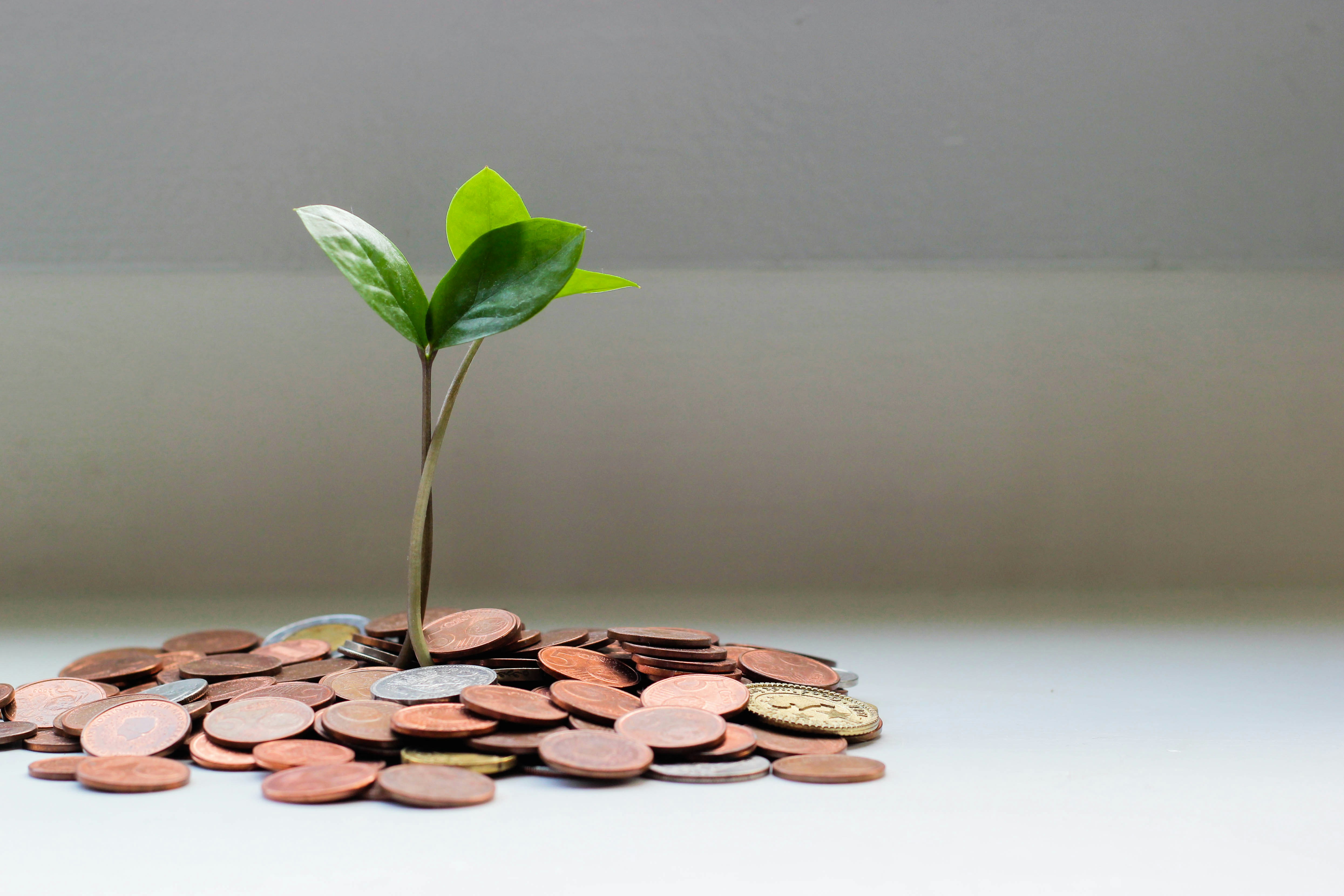
Do you have a passion for working on vehicles? Have you ever dreamed of owning your own automotive shop? Starting a business can be costly, but ultimately rewarding. You could start from scratch, or purchase an existing automotive shop. An existing auto shop could best benefit you since it will already have an existing customer clientele and all the equipment necessary to start. Overall, research and experience are important. Here's what to ask yourself if you're thinking of opening your own shop.
Have you found the right location?
Having a few original locations picked out for your future auto shop is vital. No matter which state you live in, there are many (and different) zoning laws. Some laws prohibit auto shops from being located too close to residential properties.
An auto shop in town will be more convenient for your potential customers. Choose an area that will provide easy access for vehicles of all shapes and sizes (avoid narrow streets, for instance). You’ll probably have lots of enormous trucks coming in and out with things like parts and tires.
Should I get certified?
Although it’s not required, getting your ASE (Automotive Service Excellence) certification tells potential customers you have two years of experience under your belt. ASE mechanics have the knowledge it takes to fix your vehicle. When customers see the white and blue labels, they will feel relieved knowing you are serious about your trade.
Technicians must be tested every 5 years to keep up with the changing automotive technology. Depending on what type of auto shop you have, some technicians might need automotive and diesel certifications.
Do I know the initial costs?
It’s wise to have a plan in place around what exactly you want in your shop. If you’re buying an existing shop, it might only need minor upgrades. But a recent building could be more costly. Take into consideration things you’ll need like:
Insurance - $ 4,000/year
Essential tools - $ 15,000
Lifts (installed) - $ 4,000 each
Diagnostic machines - $ 5,000–$ 10,000
Rent – this can vary
It can cost around $50,000 to start your own auto shop. Note that this is not including employee salaries, potential space remodel fees, or marketing. Things can add up fast and you’ll want to make sure you have enough funds to cover the ultimate costs
What type of services will I offer?
While there are many types of automotive services, decide which you will offer. Regular auto servicing shops would be a place customers bring their car regularly for routine services. Other shops specialize in only specific services like mufflers and brakes. You may come across an auto shop that might buy used cars in Nigeria. This online auction mall auctions off used cars from all over the world. An auto shop can fix used cars to re-sell if that's something you're interested in and have to experience with. Used cars could also come in handy if the shop needs spare parts for specific cars. It’s best to know of an automotive shop that offers a wide verity of services.
Who should be hired?
The type and size of your shop will determine how many people you should hire. Hiring certified technicians who have years of experience will help maintain a stable and trustworthy team. It’s important to make your shop a place technicians want to be. Offer fair pay to those with adequate experience. Hire a receptionist to keep up with the front desk. To help recruit your team, try attending job fairs, or posting job listings online.
Creating a new business can be stressful. Most people are leery about who they trust to work on their vehicles. Be sure to be the most trusted shop in town. Advertise your new shop online or on the radio so people will know your open. With determination and knowledge, you’ll be up and running in no time.
Staying healthy requires an ongoing effort. You need to have a plan and stick to it if you want to change your life for the better, but knowing where to start planning in the first place can be difficult if you haven't already had the opportunity to both learn and practice a healthy lifestyle. If you feel like you need to live a healthier life but don't know how, here are five things to consider.
Food
One of the main ways to improve your health is to make sure that you are consuming a diet that is healthy for you. Adding more vegetables to your meals can lead to big improvement by itself, and you don't need to resign yourself to a meal that tastes bad if you find them unpalatable. Replacing salt with other spices can go a long way in making your food more interesting, and some spices like cinnamon even boast an impressive number of antioxidants.
Fitness
Whether you are getting enough exercise or not is another important factor to think about. Many people try to fit more exercise into their schedules with varying degrees of success, and many fitness-related New Year's Resolutions end up being abandoned by mid-January. While this might highlight the difficulty most people face when trying to be more active, the benefits both for your health and your wallet are substantial. If you end up needing to search for life insurance with iSelect, you have a decent chance of being considered for a lower premium as a result of your healthier lifestyle presenting a lower risk of becoming a liability.
Hydration
Water composes a large portion of our bodies, so staying hydrated is essential as well. While you don't need to go as far as to constantly be drinking water, it turns out that it is likely that not enough people are getting enough to drink. Making sure you drink enough water can help you stay energetic and attentive in addition to other basic health benefits, like the replacement of the water you lose through sweating. So don't be afraid to keep lots of water in your car if you are going to be out all day.
Avoiding Stress
Stress, while necessary in some circumstances, is not healthy to keep around if you can get rid of it. Being stressed all of the time can cause quite a few health problems in the long term, like heart damage, a less effective immune response, and weight gain. Being stressed on occasion is normal, but if you find yourself stressed out too often, then you should take a moment to relieve stress by taking a few deep breaths or somehow finding humor in your situation. Vacations might not be out of the question, either, as staying focused on something you enjoy can be another way to relieve stress—be it through painting, bodyboarding lessons, or even a particular aspect of your job that keeps you focused.
Sleep
You should also do your best to get enough sleep. Sleep is often underestimated, and trying to avoid it too often can cause memory problems and make you more emotional overall. Make sure that you get to bed and wake up at a consistent time every day after sleeping for eight to ten hours. While there are peripheral benefits to staying healthy, like lower costs when you compare life insurance, you should mainly try to focus on what is important to you. This article is no substitute for a professional medical opinion, but people generally tend to live longer if they try to stay optimistic or generally remain in high spirits. There is, indeed, a value in comfort, and this should be a factor when you decide to improve your life.
Apart from being one of the most sought-after places to live in Canada, Edmonton is the provincial capital of Alberta. There’s more about this city than meets the eye. The city offers a lot to make you appreciate living here apart from the trails through river valleys and the immense dining experience. This article has some interesting things you’ll appreciate about living in Edmonton.
Cycling
This is a popular activity in this city. It is no wonder that Edmonton has more than 170 km of trails in the river valley alone. The paths run beside the North Saskatchewan River and contributing tributaries and connect to various areas of the city. These beautiful routes make a great adventure on a weekend. Cyclists in Edmonton share 275 km of paths and sidewalks with walkers. Equally important to note is the 450 km of unimproved trails and unpaved single track.
West Edmonton Mall
This is the largest mall in North America spanning an equivalent of 48 city blocks and housing about 800 stores and services. West Edmonton Mall was the world’s largest shopping mall until 2004. There is a lot to look out for here including a mini-golf, movie theatre, bowling alley, and underground aquarium. The mall accommodates two hotels alongside more than 100 dining places. Some of the major attractions at this mall include:
Galaxyland
An ice palace
World Waterpark
Adventure golf
Rat-free city
Rats are pesky creatures that cause significant damage quickly in households. Luckily, one of the reasons to make you get looking for rent to own homes Edmonton is freedom from rats. There are no rats here and in all of Alberta. The western province in Canada has been rat-free since the 1950s. This means people here don’t have to worry about rats spoiling and consuming food, grain products, electrical wiring, and damaging building. There is no threat to people’s health posed by the rats.
The rat-free status of Alberta stands strong because of the aggressive rat control program. This ensures that the vermin is outside of the province’s boundaries. Given that a pair of rats can lead to a colony of about 15,000 rats annually, people in Alberta understand the need to call an exterminator on seeing a rat. Acting aggressively and quickly maintains the rat-free status of Edmonton as well.
Summer
In Edmonton, the first day of summer has daylight lasting 17 hours and three minutes. Here, sunrise is at 5:04AM with sunset at 10:07PM. This allows feeling like soaking up all the energy from the largest north-most metropolis. During winter, it’s another story. The sun rises at 8:49AM with sunset at 4:16PM. This allows just 7 hours and 27 minutes of daylight.
Golfer’s paradise
Edmonton is a golfer’s paradise with the city bursting with beautiful golf courses. Metropolitan Edmonton has more than 70 golf courses that appeal to people regardless of age and skill. The best thing is the availability of courses to give everyone a chance to hone their skill. Regardless of your level, you can indulge in any of the following:
Mini golf
Country club golf courses
Beginner courses
Advanced courses
Great Divide Waterfall
Designed by local artist Peter Lewis, the Great Divide Waterfall was made to mark the city’s 75th anniversary. This was installed in 1980 with a height of 64 meters making it 7 meters taller than Niagara Falls. The waterfall could pump out 50,000 liters of water each minute when turned on during long summer weekends. However, its operation during those five long summer weekends would cost the cist about $2000 hourly or $30,000 annually.
Elk Island National Park
Despite its name, this park isn’t actually an island. And, you are likely to find more bison than elk at Elk Island National Park. The name of the park is after the various tiny islands dotted in the lakes. This park was originally a sanctuary for elk before the introduction of bison. The park is a great spot to relax and enjoy nature in Edmonton.
Reaching the park is an hour from Edmonton for a chance to catch amazing glimpses of free-roaming bison, elk, deer, and moose. The 194 sq km is quite small according to National Park Standards but the largest fully fenced park in Canada. This park is filled with parkland, grasslands, boreal forests, lakes where bison, pygmy shrew, and terrestrial mammals roam in North America.
Mosquitoes
These are quite a big problem in the Edmonton area with about 30 species. Summers are quire miserable at dusk because of the mosquitoes. The warmer weather encourages mosquitoes to develop faster. These are usually more active with emerging adults seeking bloody meals immediately.
During warm and rainy weather, mosquitoes are in plenty and active. However, the mosquitoes are usually less active in warm and rainy weather. The authorities do whatever it takes to get rid of these pesky creatures using helicopters, ditch trucks, and ground crews. These lessen aquatic larvae from developing.
Conclusion
There are various reasons to make you consider rent to own a home in Edmonton. From the friendly people to the endless shopping at North America’s largest mall to enjoying cycling, there is a lot for anyone. Expect no worry about rats attacking your home and destroying the property and structure of your new home.
Remodeling your home is a smart move if you want to ensure a higher resale price. So many of the benefits of owning a home come when it's time to leave it; the financial gain and equity that you can build in a home can add a ton of value to your financial portfolio. If you have recognized that your house is going to need a bit of work before it heads to the market, it's time to start remodeling. If you're like many people, you might be questioning how you can make sure that you don't waste your money when it comes to the remodeling process. Don't worry -- here's a handful of our best tips for getting a great return on investment in your home remodel.
Take care of the big issues first
Structural and functional issues with your home will make it instantly unattractive to potential buyers. Bite the bullet and get the large and expensive projects out of the way. If your roof is damaged or leaky, hire a roofer. You don't want to risk trying to tackle projects that you are unfamiliar with on your own and risk damaging your house further.
Focus on aesthetics
Beyond the functional issues that need to be taken care of, the next area of focus should be how your home looks. Some projects are of course more time consuming and expensive than others. One of the least expensive and most beneficial projects that you can tackle is landscaping.
Trimming overgrown shrubs and maintaining a neat and orderly lawn can add major curb appeal to your home. Your home's exterior is its first impression, so make sure that you spend some time improving it.
Replace the siding
Replacing siding is relatively cheap and easy and adds a ton of quick value to your home. Don't want to replace it altogether? Spend an afternoon power washing. This will make it look brand new without the need to reach for your tool belt.
Add outdoor elements
Adding a deck can make your home instantly more appealing to potential buyers. While it's certainly more expensive than other projects on the list, it's fairly reasonable when you consider the massive value that it can add to your home. Most buyers are eager to have an outdoor space to entertain.
Minor Kitchen Upgrades
Even just replacing cabinet doors and fixtures can drastically change the look and feel of your kitchen. You don’t have to spend a lot to get kitchen cabinets that will increase your home’s value and the quality of your kitchen.
Make the most of your remodel projects, and follow the above tips for getting the highest return on your investments.
A home is the average family’s most expensive investment. Saving for a down payment can be difficult in today’s economy, but there are programs that can help you acquire your home with only a minimal amount. The USDA loan program was initiated to help individuals and families in some suburban and rural areas afford their own homes.
What Is a USDA Home Loan?
A USDA loan is issued to eligible individuals who want to purchase or improve a home in a designated area. These loans are guaranteed by the U.S. government, which allows individuals to purchase a home without the need for a large down payment. USDA loans can also be used to renovate homes in these areas. Mortgage funds can be acquired in the form of loans or grants, to a designated level.
Benefits of USDA Home Loans
One of the greatest benefits of a USDA home loan is that you don’t have to accumulate a large amount of money for a down payment. Another benefit is that you can acquire a loan if you have a credit rating of 640, which is generally below the rating needed for a conventional loan. In addition, the interest rate you will pay for your USDA loan will be much lower than a conventional mortgage, which makes it easier to afford.
Eligibility For An USDA Home Loan
To be eligible for a USDA Home Loan, you must fulfill certain requirements:
You must be a U.S. citizen or permanent resident.
You must have dependable income for at least the past 24 months.
You must have an acceptable credit history, with no collections actions for the past 12 months.
The monthly payment for the loan must not exceed 29 percent of your monthly income, including the principal, interest, insurance and taxes. In addition, other debts should not be more than 41 percent of your income.
The property must be used as a primary residence.
Documents Requirements For USDA Loans
You will need to have proof of citizenship or permanent residency. You should also have at least two years of pay stubs or your tax returns. Papers regarding other debt obligations will also be needed. Your credit report and alternative records of credit, such as rental records or utility bills will be needed to establish your ability to repay the loan.
If you are interested in buying a home, a number of mortgage options are available. Some options are designed to promote homeownership in special areas or for particular groups. The USDA loan offers many benefits for individuals who are interested in living in rural areas of the country.
An emergency can happen to any family at any time. Some family emergencies can be expensive to manage, and you can prevent a lot of stress and financial trouble if you are able to budget ahead and establish an emergency fund.
Here are four types of emergencies to budget for with your family.
Loss of Job
Loss of a job is a big financial emergency. The COVID-19 pandemic has resulted in more than 22 million Americans losing their jobs as of April 2020. Unemployment takes a while to kick in, and not everyone qualifies for this compensation. Consider having six months' worth of living expenses saved in case of a job loss.
Car Breakdown or Accident
Most people need a car to get to work. If your car breaks down, not only could you find yourself out of a job, but you also have to come up with the money to arrange for an unexpected car repair. According to Legacy Auto, a provider ofcar repair services in Boulder, CO, it is a good idea to have a maintenance and repairs fund for your car.
As cars get older, they are more likely to need pricey repairs, such as new brakes. If you are in a car accident, you could also be subject to a deductible before your coverage kicks in. Consider budgeting so that you have at least the amount of your deductible available for a car emergency.
Medical Emergency
Medical emergencies are one of the most common reasons why people go into debt. Many people have high-deductible insurance plans that only kick in when they reach a large out-of-pocket threshold, such as $10,000 or even more. Even if you do not have a high-deductible plan, a medical emergency can still be catastrophic to your finances. If possible, the budget for your out-of-pocket maximum expenses. You could have this money in a tax-free FSA or HSA. Some of these plans allow you to roll over the funds you do not use in a given calendar year.
Major Household Repairs
Major household repairs can take a big bite out of your bank account. If your furnace or heat pump suddenly fails, you could be looking at a $3,000 to $6,000 replacement cost. A sewer line failure or burst water pipe could cost thousands of dollars to repair. A sudden crack in your home's foundation might necessitate extensive repair work costing tens of thousands of dollars. Masonry and electrical repairs are also essential and expensive. If your home needs a new roof, you could be looking at a $5,000 or more expensive.
A failure of your refrigerator or oven could also be pricey to handle. Several websites list the average lifespan of different parts of your home and home appliances, and you can use that information to plan when they will need to be replaced. Some emergencies might be partly covered by your homeowner's insurance, such as a hailstorm that damages your roof. However, you will need to have the cash on hand for the deductible. Insurance companies also factor depreciation when compensating you for covered losses.
Other Minor Emergencies to Consider
Above are four major emergencies that you should budget for as a family. However, a series of minor emergencies could also have a considerable impact on your budget, explainsU.S. News and World Report. If you had to take an emergency trip out-of-town for a funeral, travel, and lodging could be pricey. A sudden move can also be expensive. Perhaps your landlord decided to sell the house you're renting, or maybe your job decided to relocate you to another city. Maybe you have to take in a niece or nephew, grandchild, or parent. The cost of living increases can also impact your finances, especially if your health insurance or car insurance premiums, rent, or utility costs go up without a corresponding increase in your paycheck. You also need to have a budget and plan in place for these situations.
These are not the only emergencies that could impact your household, but they are common. It is wise to expect the unexpected and have a plan in place for anything that might happen. Planning and budgeting give you some peace of mind that you can weather an emergency without having to go into a lot of debt.